A Brief History of Tarot and Its Use in the Modern Era
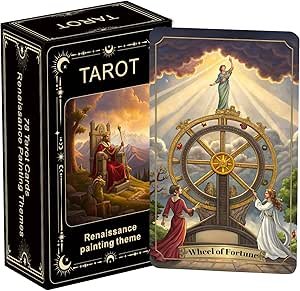
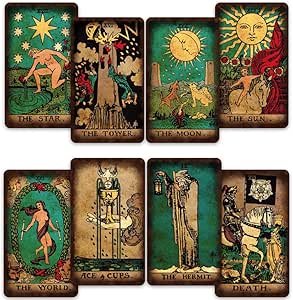
Tarot cards feel timeless, as if they belong to both the past and the present at once. Their journey began in 15th-century Europe, particularly in Italy, where tarot, then called tarocchi was created as a card game for the nobility. The beautifully illustrated cards featured symbolic figures and scenes, but they were meant for entertainment rather than spiritual insight.
Tarot’s mystical reputation emerged much later, during the 18th century, when European occultists began interpreting the cards through a spiritual and philosophical lens. They connected tarot imagery to astrology, numerology, and ancient wisdom traditions, transforming the deck into a tool for reflection, symbolism, and divination. This period reshaped tarot into a system designed to explore life’s deeper meanings.
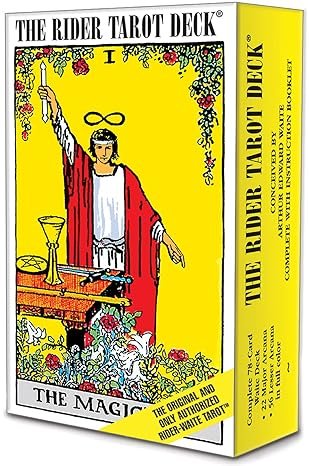
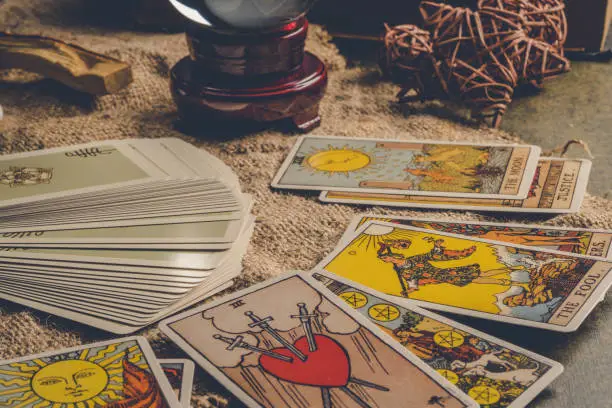
In the late 19th and early 20th centuries, tarot became more standardized with the creation of influential decks like the Rider-Waite-Smith. Clear imagery and defined interpretations made tarot more accessible, encouraging intuitive reading and personal exploration rather than rigid rules.
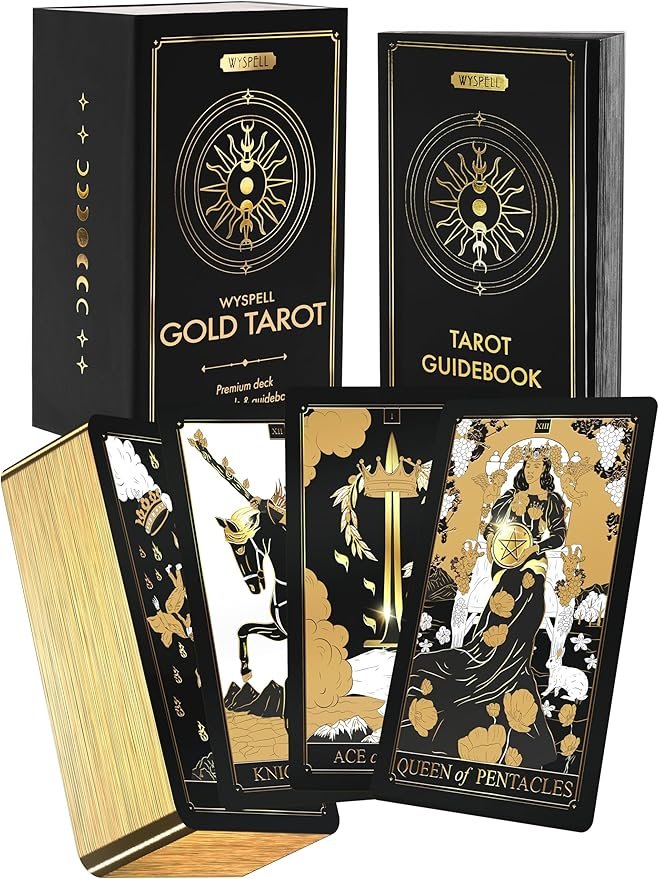
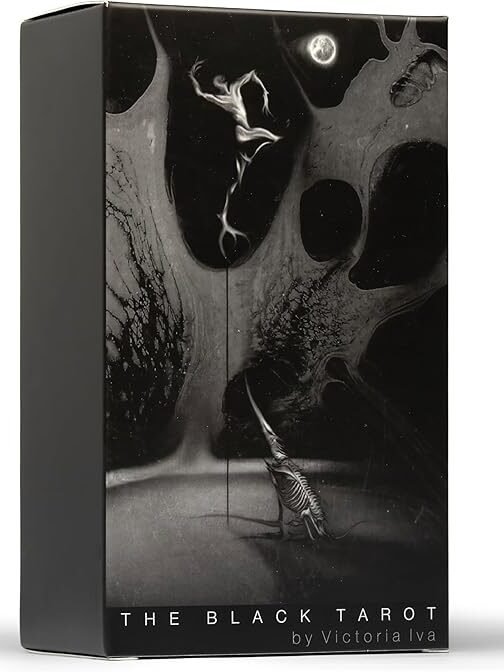
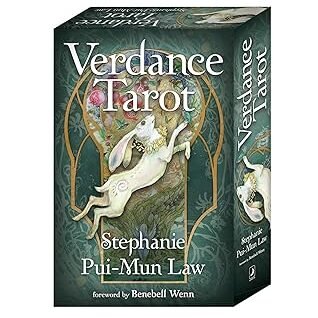
Today, tarot is widely used as a modern tool for self-reflection and guidance. Many people turn to the cards to explore emotions, gain clarity, and better understand personal challenges rather than to predict the future. Contemporary tarot decks embrace diversity and creativity, reflecting modern identities and values.
From its origins as a game to its role as a reflective spiritual practice, tarot continues to evolve. Its lasting appeal lies in its symbolism, offering a thoughtful pause and a new perspective in an ever-changing world.
Tarot Gallery
A curated collection of tarot decks that speak to the soul.